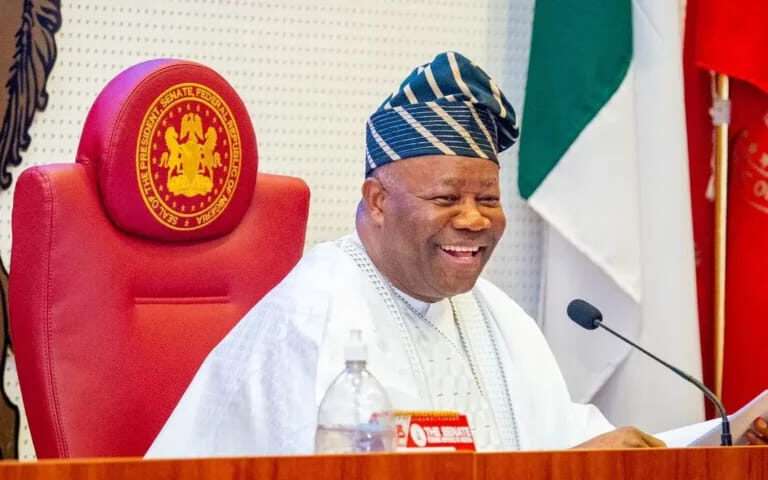
The Nigerian Senate has approved President Bola Ahmed Tinubu’s request to secure $21.5 billion in external loans to finance critical development projects outlined in the federal government’s 2025–2026 borrowing plan.
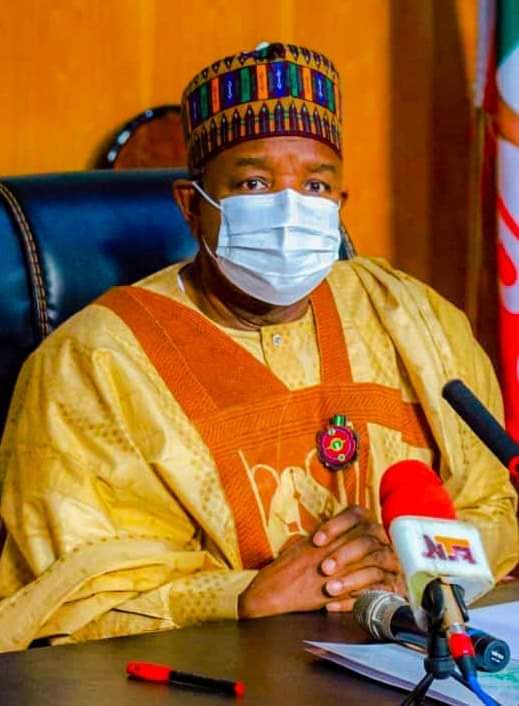
The approval, granted during Tuesday’s plenary, followed the adoption of the report presented by the Senate Committee on Local and Foreign Debts, chaired by Senator Aliyu Wamakko (APC, Sokoto North). The Senate also gave its nod to a separate loan of 15 billion Japanese Yen and a €65 million grant.
In addition, the Red Chamber approved the issuance of a Federal Government Bond worth N757 billion to settle outstanding pension liabilities under the Contributory Pension Scheme (CPS) up to December 2023. Another key component of the approval was the greenlight for capital raising of up to \$2 billion through a foreign currency-denominated instrument within the domestic market.
Senator Wamakko explained that the proposed borrowings were already factored into the Medium-Term Expenditure Framework (MTEF) and Fiscal Strategy Paper (FSP), both of which underpin the 2025 national budget.
“The borrowing is consistent with the provisions of the MTEF and is geared towards funding critical infrastructure and development projects in power, transportation, health, education and agriculture,” Wamakko said.
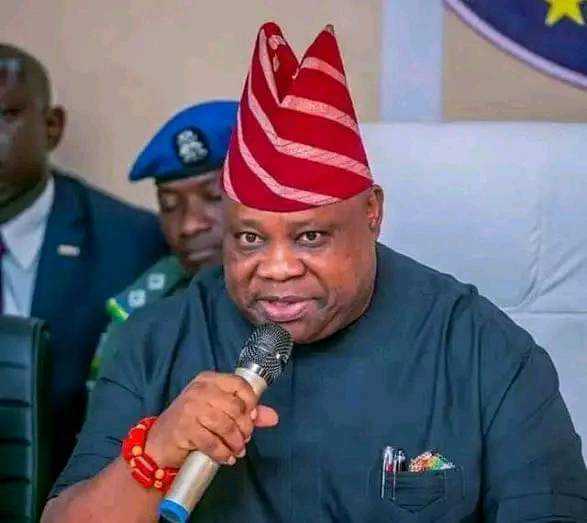
Supporting the motion, Chairman of the Senate Committee on Appropriations, Senator Solomon Adeola (APC, Ogun West), described the approval as a procedural formality since the loan proposals were embedded in the 2025 Appropriation Act.
“With this approval, we now have all sources of revenue—both internal and external—firmly in place to implement the budget,” Adeola remarked.
Also speaking, Senator Sani Musa (APC, Niger East), Chairman of the Senate Committee on Finance, defended the loan, stating that it spanned a six-year disbursement period and aligned with international fiscal standards.
“No thriving economy grows without strategic borrowing. Nigeria remains compliant in servicing its existing loans,” Musa maintained.
Senator Adetokunbo Abiru (APC, Lagos East) added that the loan plan was in compliance with the Fiscal Responsibility Act and the Debt Management Office guidelines, stressing that the terms were long-term, concessional, and favourable to Nigeria.
“These loans come with repayment windows ranging from 20 to 35 years, making them sustainable and manageable,” Abiru noted.
However, not all senators were in full support. Senator Abdul Ningi (PDP, Bauchi Central) expressed reservations over the lack of clarity on repayment plans and the direct impact the loans would have on Nigerians.
“We must ensure transparency. It’s not enough to approve borrowing; we must explain to our people how it will benefit their lives and livelihoods,” Ningi argued.
Despite concerns, the Senate passed the borrowing plan by a majority voice vote, paving the way for the Tinubu administration to source funds internationally as it prepares to implement its second full-year budget.