In recent years, fitness centres across Nigeria have undergone a silent transformation. Once known as sanctuaries for physical well-being and personal discipline, many gyms are now accused of morphing into informal hook-up spots — with concerns growing over a rising trend of sexually charged interactions under the guise of fitness.
The shift is not without controversy. While the gym boom continues in urban centres like Lagos, Abuja, and Port Harcourt, social observers and concerned citizens are warning that the culture inside these facilities is drifting far from its original purpose.
“Beware of some women in the gym,” a viral social commentary warns. “Especially the ones who dress and stretch in ways that force you to see their curves. She’s not there to work out; she’s there to hunt.”
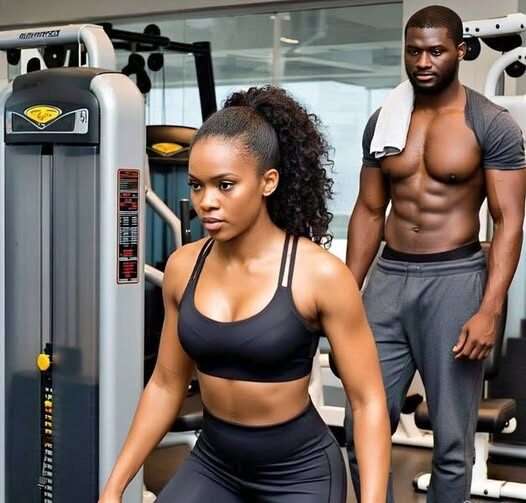
Critics allege that a growing number of gym-goers — particularly women dubbed “gym baddies” — are using their outfits and routines to seduce rather than sweat. With high-cut leggings, cleavage-baring sports bras, and body-hugging ensembles, these women are seen by some as marketing themselves rather than focusing on exercise.
“Their wardrobe is weaponised,” the commentary continues. “They don’t dress to sweat; they dress to seduce.”
Accusations extend beyond the clientele. Gym instructors are not spared, with claims that some double as informal “middlemen,” linking female clients with wealthy married men or desperate housewives with young sugar boys. The implication: some gyms are becoming unregulated match-making markets, often operating under a shroud of secrecy.
“Many even pay gym instructors with their bodies, not money,” the critic alleges. “That’s their idea of appreciation.”
While these claims remain anecdotal, they reflect a growing public concern about the blurred lines between fitness and flirtation. In some circles, suspicions have even crept into relationships. One tactic reportedly being used to expose a partner’s hidden motives: suggesting a joint workout session. “Watch how her passion for fitness suddenly disappears,” one man said, claiming such a suggestion often brings hidden intentions to light.
Fashion trends within gym culture are also under scrutiny. Commentators argue that much of today’s gym wear resembles seductive nightwear more than athletic gear. “This is not about staying fit,” one critic claimed. “This is modern hookup culture with dumbbells.”
Despite the provocative nature of these conversations, not everyone agrees. Some argue that such commentary veers into misogyny and unfairly targets women for expressing confidence and dressing in ways that make them feel empowered. Others point out that gyms are public spaces, and what one perceives as flirtation may simply be someone else’s normal routine.
Still, the conversation touches a nerve in a society grappling with rapid urbanisation, shifting gender dynamics, and a growing influence of Western pop culture. As fitness culture expands, so too does the scrutiny around how Nigerians interact in these increasingly social spaces.
In the end, it raises important questions: Are gyms evolving into social playgrounds at the expense of discipline and fitness? Or are Nigerians simply uncomfortable with new forms of expression and interaction?









Your point of view caught my eye and was very interesting. Thanks. I have a question for you.