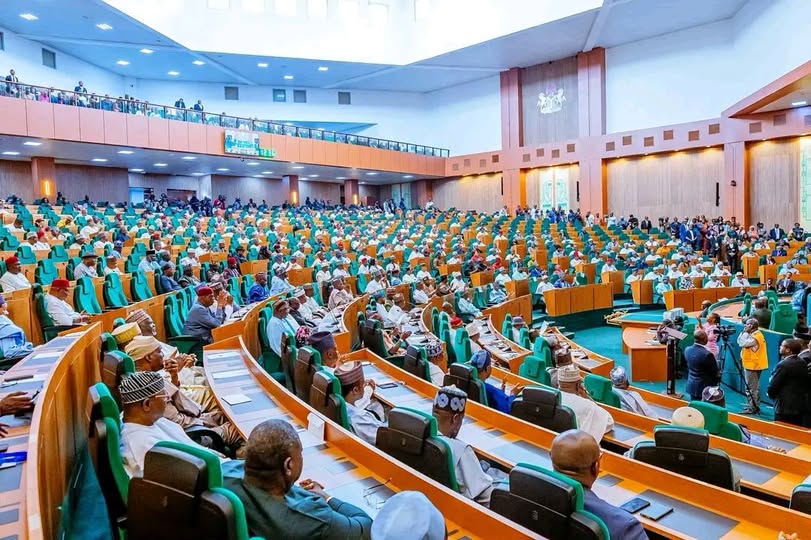
The House of Representatives is considering a bill seeking to expand the grounds for divorce in Nigeria, including persistent denial of conjugal rights for three months, emotional and psychological trauma, and threats or acts of grievous bodily harm.
The proposed legislation, sponsored by Dominic Okafor, representing Aguata Federal Constituency of Anambra State, seeks to amend the Matrimonial Causes Act, 2004, to introduce additional circumstances under which a spouse can legally seek the dissolution of a marriage.
Titled “A Bill for an Act to Amend the Matrimonial Causes Act (MCA), Cap M7, Laws of the Federation of Nigeria, 2004, and for Matters Related Thereto,” the proposal was read for the first time on the floor of the House on Tuesday.
One of the major provisions seeks to make persistent denial of conjugal rights for a period of not less than three months a recognised ground for divorce.
The bill also proposes that a spouse who suffers grievous bodily harm, or faces threats of such harm from their partner, should be entitled to seek matrimonial relief.
In another significant provision, the proposed amendment seeks to recognise emotional and psychological trauma inflicted by a spouse as a legitimate ground for seeking the dissolution of a marriage.
If passed into law, the amendment would expand the existing grounds for divorce under the Matrimonial Causes Act, which already include adultery, unreasonable behaviour, desertion, prolonged separation and wilful refusal to consummate a marriage.
Other recognised grounds include habitual drunkenness and the commission of rape, sodomy or bestiality by a spouse since the marriage was contracted.
The proposed legislation is expected to proceed to second reading, where lawmakers will debate its general principles before it undergoes further legislative scrutiny.
However, the proposal is not yet law. It must scale the required legislative stages, secure passage by the National Assembly and receive presidential assent before the proposed provisions can become legally enforceable.