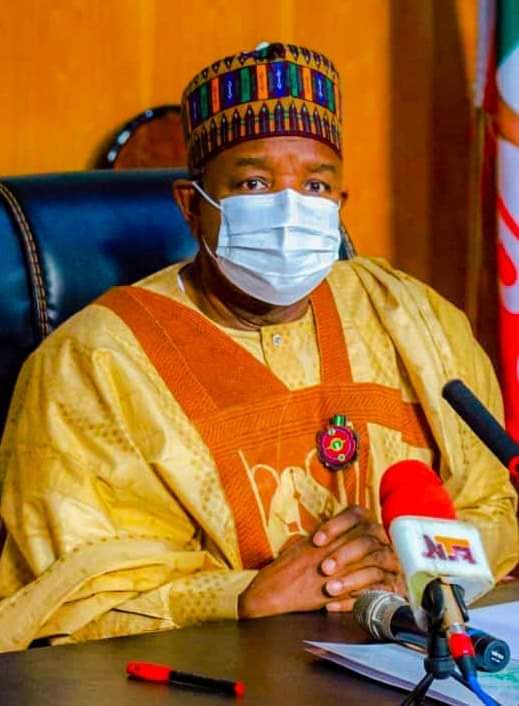
In a sombre response to one of the worst natural disasters in Niger State’s history, Governor Umaru Bago has cancelled all Eid-el-Kabir festivities across the State, including the iconic Hawan Bariki and Durbar celebrations, following the devastating floods that have claimed over 200 lives in Mokwa Local Government Area and neighbouring communities.
The cancellation was formally announced by the Secretary to the State Government (SSG), Alhaji Abubakar Usman, who described the move as “a mark of respect for the dead” and an appropriate step in honouring the victims.
“This is a time for mourning, not celebration,” Usman stated. “Our hearts are heavy. Families have been torn apart. Entire livelihoods have been washed away. It is only right that we honour the memories of the victims with a period of silence, prayer, and reflection.”
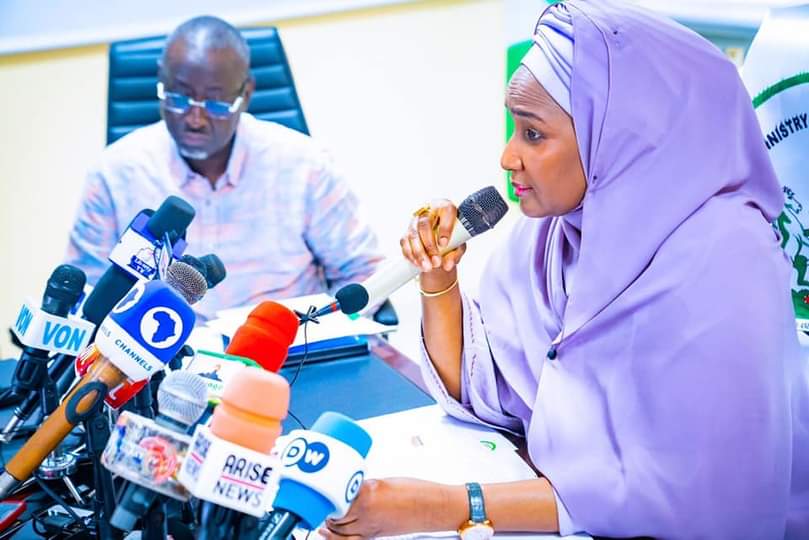
The full scale of the tragedy is still unfolding. In a heart-wrenching interview on Channels Television’s The Morning Brief, the State’s Commissioner for Humanitarian Affairs, Ahmad Suleiman, confirmed that over 200 bodies have been recovered so far, with more feared missing.
“Nobody can tell you the actual number of casualties,” he said. “We are still pulling bodies out of the water and rubble. Entire families have been wiped out.”
Emergency response efforts have been launched by the state government, including the dispatch of trailers carrying rice and other essentials to makeshift camps housing displaced residents. The First Lady of the state has also made a personal visit to Mokwa, donating ₦50 million to support ongoing relief activities.
However, a visit to some of these camps reveals scenes of despair and frustration. Many displaced persons say promised assistance has failed to materialise. While aid distributions are often captured in photos by officials and agencies, victims alleged they receive little to nothing once the cameras are turned off.
“We are 17 in my household, but they gave us just one loaf of bread and some tea,” said Mama Isah, a widow caring for her children in one of the camps. “Is that enough for even our breakfast? What are we supposed to eat tomorrow?”
Her tearful words reflect a growing sense of abandonment among flood victims, many of whom are forced to survive in overcrowded and unsanitary conditions.
“There’s no clean water, no toilets, no privacy,” said Hussaini Muhammed, a volunteer assisting in one of the camps. “These are not conditions fit for human beings. We’re just trying to survive each day.”
In the face of mounting frustration, both victims and local advocates are urging the government to streamline relief efforts and permit direct access for charitable individuals, NGOs, and community groups offering support.
“Let the people help us,” pleaded Mama Isah. “We don’t need more speeches. We need food. We need medicine. We need dignity.”