
From Staff Writer
After nearly three years of frustrating limitations, several Nigerian banks have resumed international transactions on naira-denominated debit cards — a development widely hailed by consumers, freelancers, and businesses across the country.

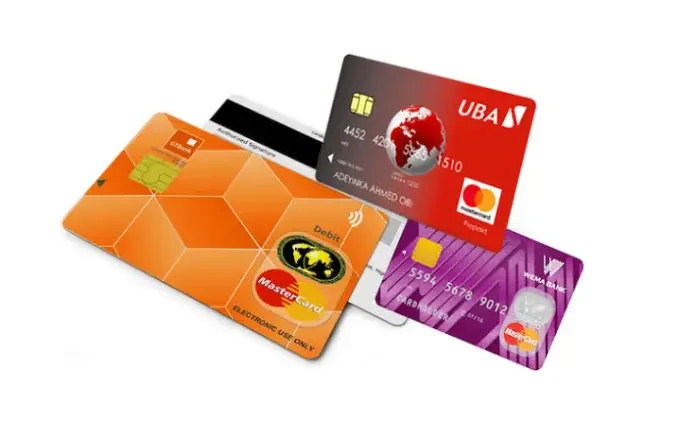
Top financial institutions including GTBank, UBA, and Wema Bank have reactivated foreign payment access on their naira Mastercards, enabling users to once again shop, subscribe and pay for services on international platforms such as Netflix, Amazon, Spotify, and AliExpress.
The move effectively reverses the 2022 restrictions imposed during a severe foreign exchange crisis, when the Central Bank of Nigeria (CBN) halted cross-border naira card use amid plunging forex reserves and widening market distortions. The decision left many Nigerians scrambling for costly alternatives such as domiciliary accounts, virtual dollar cards, and grey-market payment services.
GTBank confirmed the update in a Friday message to customers, stating: “You can now use your GTBank Naira Mastercard for international transactions.” The bank has introduced a $1,000 quarterly limit, including a $500 cap on ATM withdrawals. UBA, on the other hand, has limited access to holders of premium Gold, Platinum, and World cards. Wema Bank is offering broader access, allowing standard Mastercard users to transact globally once again.
Banking insiders suggest this cautious but optimistic rollout reflects stronger confidence in Nigeria’s external reserves and foreign exchange stability. Since the appointment of CBN Governor Olayemi Cardoso, a series of monetary policy reforms and exchange rate unification measures have led to relative stability in the FX market. The naira currently trades between ₦1,540 and ₦1,560 to the US dollar — a significant improvement compared to previous volatility.
“This signals restored confidence in Nigeria’s external position,” said Charles Sanni, a financial analyst at Cowry Treasurers. “The banks wouldn’t risk resuming this service if they weren’t certain of sustainable liquidity.”
Beyond convenience, the policy shift has important economic and reputational implications. The Central Bank’s reforms have narrowed the gap between official and black market exchange rates, restoring some international confidence in Nigeria’s fiscal management and improving the country’s credit outlook.
However, most banks are rolling out the service with strict caps to avoid the kind of FX depletion that previously led to its suspension. While GTBank’s $1,000 quarterly limit remains the standard, there are unconfirmed reports that some premium customers may be enjoying up to $4,000 in quiet allocations.
UBA’s strategy of offering the service exclusively to high-tier customers may reflect a more cautious liquidity management approach, while Wema Bank’s relatively open model could set the pace for broader industry adoption.
The development is expected to benefit a wide spectrum of Nigerians:
Ordinary consumers can now access global e-commerce, streaming, and education platforms without complex workarounds.
Small businesses and freelancers regain access to essential tools, subscriptions, and payment gateways vital for international trade and service delivery.
Banks tand to gain from foreign currency transaction charges while rebuilding customer confidence.
Nigeria, as a whole, receives a much-needed credibility boost in its bid to attract foreign investment and project economic openness.
Observers say the timing is strategic, as Nigeria rolls out broader economic reforms in sectors such as energy, digital finance, and trade. The restoration of international card use, though seemingly minor, sends a strong message about returning stability and accountability in the country’s financial system.
Still, economic analysts warn that sustaining this momentum will require continued FX inflows, reduced leakages through illicit capital flight, and firm CBN oversight to maintain transparency and monetary discipline.
Nonetheless, for millions of Nigerians who have struggled to carry out the simplest global transactions — from paying for software subscriptions to renewing academic access — this policy reversal marks a milestone.
As one observer put it: “The card is back in your hand — and so is a bit of trust in Nigeria’s economic direction.”