

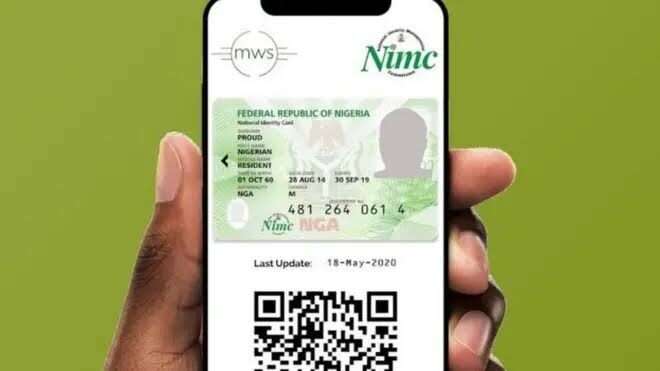
Nigeria’s national identity system is facing a credibility crisis after revelations that citizens’ highly sensitive National Identification Number (NIN) data is being sold online for the equivalent of a few pence.
An unauthorised website, nimcverify.ng, has been discovered offering full NIN records — including names, dates of birth, addresses and other personal details — for as little as ₦150 (£0.08). The platform operates entirely outside the control of the National Identity Management Commission (NIMC), yet appears to have access to its database or leaked records.
Disturbingly, the site requires little more than a target’s mobile phone number before delivering a complete identity profile within minutes. Payments are routed through accounts linked either directly to the administrator or auto-generated for each request. Additional illicit services are brazenly advertised, including the modification of NIN records, retrieval of Bank Verification Numbers (BVNs) and other data tampering.
Cybersecurity experts warn the breach could unleash a wave of fraud, enabling everything from bank account hacking to SIM card scams. They note that the rock-bottom prices place these tools within reach of both organised syndicates and lone opportunists, dramatically widening the potential pool of offenders.
“This is a data privacy disaster,” said Lagos-based analyst Tunde Adesina. “When your entire identity can be bought for less than the price of a bus fare, no one is safe.”
The NIMC has yet to issue a formal response, but calls are growing for a forensic investigation into how the records are being accessed, and for robust enforcement of the Nigeria Data Protection Act. Observers say the scandal highlights not just the fragility of Nigeria’s digital infrastructure, but also the thriving underground economy trading in stolen identities.
Without decisive action, critics warn, the breach may further erode public trust in the country’s already fragile identity management system — leaving millions vulnerable to financial ruin and reputational damage.