

Our reporter
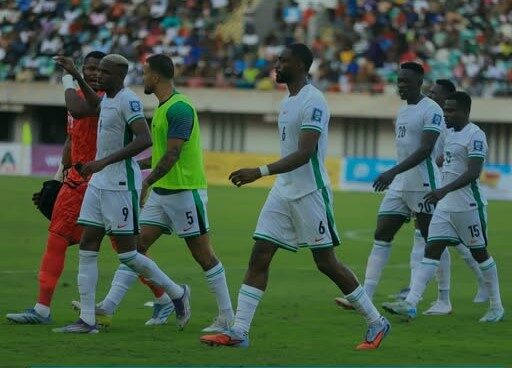
Nigeria’s 2026 World Cup dream collapsed in agonising fashion on Sunday night after the Super Eagles were dumped out on penalties by DR Congo in Rabat, a defeat that has intensified calls for a sweeping overhaul of the Nigeria Football Federation (NFF), long criticised for political interference and poor leadership.
The high-stakes qualifier at the Prince Moulay Abdellah Stadium ended 1–1 after 120 tense minutes, but it was the Congolese who held their nerve from the spot, edging Nigeria 4–3 and advancing to the intercontinental playoff. For the second consecutive World Cup cycle, the Super Eagles will watch football’s biggest stage from afar, a blow many fans and analysts say is rooted in deeper structural failures rather than a single night’s misfortune.
Nigeria made a blistering start, with Frank Onyeka firing home in the third minute to raise hopes of a statement victory. The momentum shifted sharply half an hour later when M. Elia levelled for DR Congo, and from that point the match tightened into a fiercely contested battle for control.
Extra time produced chances that could have rewritten the outcome. Tolu Arokodare narrowly missed with a glancing header, while goalkeeper Stanley Nwabali pulled off a crucial save from a dangerous Congolese free kick. Yet the deadlock held, ushering the contest into a nerve-racking shootout.
Nwabali saved DR Congo’s first penalty, but Nigeria failed to seize the advantage. Calvin Bassey and Moses Simon missed back-to-back efforts, leaving Akor Adams to keep the Super Eagles alive with a composed finish. But Sadique and his teammates converted with icy precision, sealing the 4–3 victory and ending Nigeria’s dream.
The defeat has strengthened calls from football stakeholders for a radical restructuring of the NFF, with critics insisting that Nigerian football will continue to stagnate as long as the federation remains dominated by political actors rather than technical experts. Analysts argue that the national team’s repeated failures, missing two straight World Cups, reflect the consequences of entrenched mismanagement, inconsistent planning, and a lack of professional football administration.
Both finalists had reached Sunday’s showdown after dramatic semi-final wins, with Nigeria overpowering Gabon 4–1 in extra time and DR Congo edging Cameroon 1–0. But while DR Congo now march forward with hope, the Super Eagles are left grappling with another bitter setback and the urgent question of what must change.
As the Leopards prepare for their intercontinental playoff, Nigeria faces a moment of reckoning. Without bold reform and an end to political meddling in football governance, many fear the country’s once-feared football identity may continue to dim, leaving dreams of global glory further out of reach.