
From Ebohon Joan
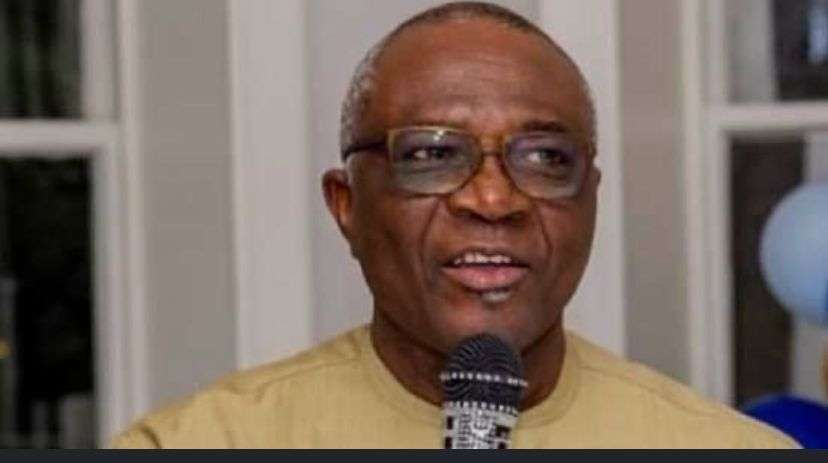
The Special Adviser to President Bola Tinubu on Information and strategy, Bayo Onanuga says Nigeria is not over-borrowing because countries like Egypt, South Africa and even Senegal have higher debt levels relative to their economies.
According to him, Nigeria remains creditworthy and can still take loans to fund infrastructure and other critical projects.
While that may be true from a debt-to-GDP perspective, many Nigerians are worried about something else: our ability to repay those loans without putting more pressure on citizens. The issue is not just how much we borrow, but how much of government revenue is going into debt servicing while millions of people are struggling with inflation, unemployment and the high cost of living.
The post noted that Egypt’s debt is over $400 billion with a GDP of about $390 billion, while South Africa’s debt stands at about $580 billion against a GDP of roughly $420 billion.
Nigeria’s debt was placed at about $110 billion with a GDP of around $340 billion, giving a lower debt-to-GDP ratio of about 35 percent.
“Yet some people keep shouting that Nigeria is the ‘loan capital of the world,” it added.
Borrowing is not necessarily bad if the funds are invested in projects that grow the economy, create jobs and generate revenue. The real question is whether Nigerians are seeing the benefits of these loans in their daily lives.