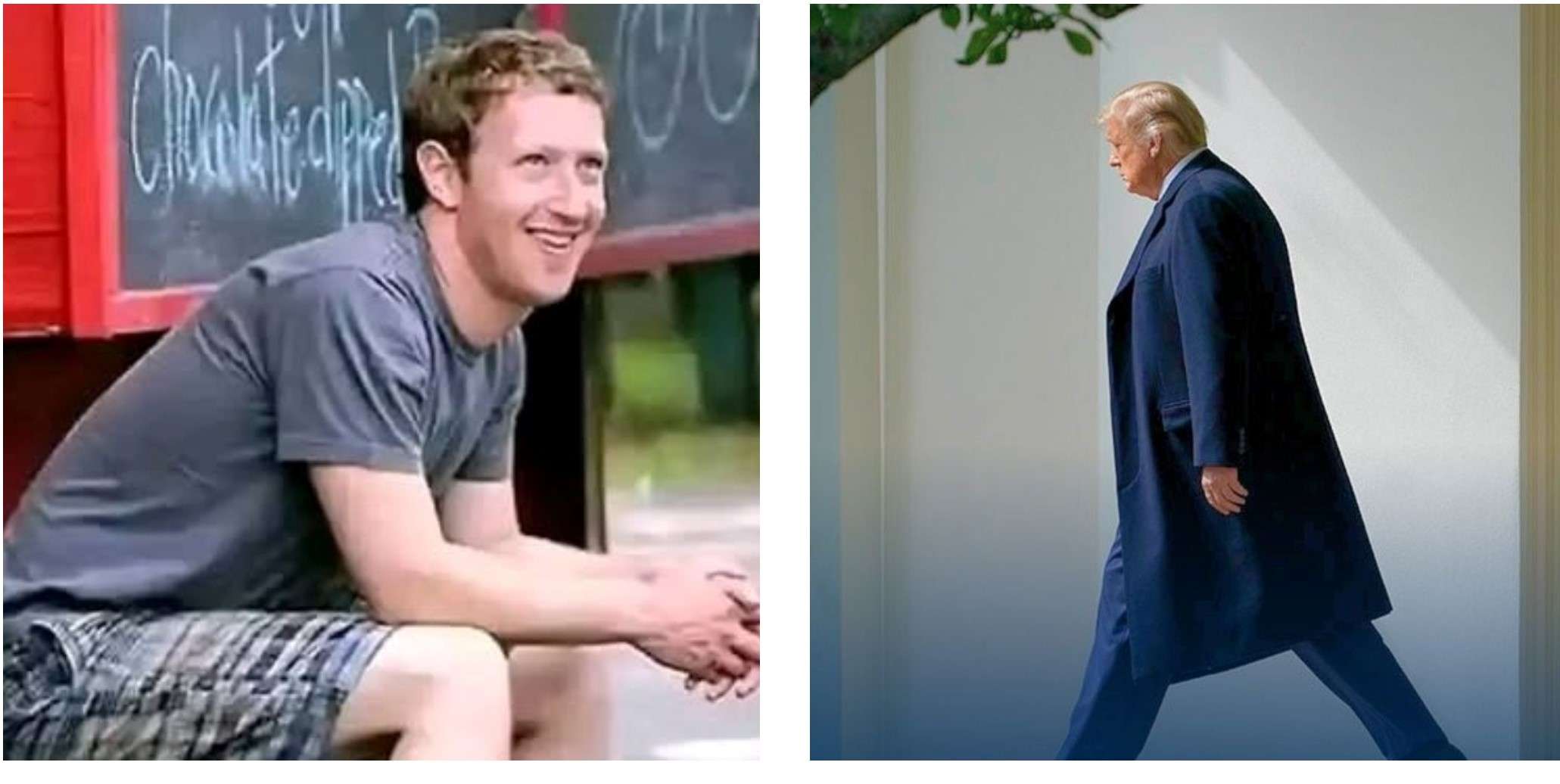
Meta, the parent company of Facebook and Instagram, has donated $1 million to the inauguration fund for President-elect Donald Trump, marking a significant gesture in the tech giant’s attempt to mend its strained relationship with the incoming administration.
The donation, confirmed on Thursday, Dec. 12, by a Meta spokesperson, follows a private meeting between Meta CEO Mark Zuckerberg and Trump at Mar-a-Lago earlier this year. Insiders suggest the move reflects Zuckerberg’s effort to align Meta with Trump’s economic agenda and address lingering tensions with the Republican leader.
Stephen Miller, Trump’s newly appointed deputy chief of staff, acknowledged Meta’s contribution, describing it as part of a broader trend of business leaders showing support for the president-elect’s policies. “It’s clear Zuckerberg recognises the importance of backing strong economic plans,” Miller said.
The relationship between Trump and Zuckerberg has been turbulent. Facebook banned Trump in the aftermath of the Jan. 6, 2021 Capitol riot, only reinstating his account in early 2023. Trump, meanwhile, has frequently criticised Zuckerberg, dubbing him “ZUCKERBUCKS” in posts on his Truth Social platform and accusing Meta of bias during the 2024 presidential campaign.
Despite these tensions, Zuckerberg has recently adopted a more conciliatory tone, praising Trump’s leadership in specific instances, including his response to an assassination attempt earlier this year. While Zuckerberg refrained from endorsing any candidate during the election, his public remarks have signalled a shift in tone toward Trump.
Meta’s donation aligns with a long-standing tradition of corporate contributions to presidential inaugurations, a practice that often serves as a bridge between private sector interests and incoming administrations. While Facebook did not donate to Trump’s 2017 inaugural or President Joe Biden’s in 2021, the move signals a strategic recalibration by the tech company.
Inaugural donations are required to be disclosed, but how the funds are utilised remains opaque. Meta’s contribution underscores its efforts to reestablish itself as a bipartisan player in a politically divided era, especially after enduring criticism from both sides of the aisle during recent years.