
Our reporter
Elon Musk and a coalition of investors have made a bold $97.4 billion bid to acquire control of OpenAI’s nonprofit arm. The bid, which was submitted through Musk’s attorney to OpenAI’s board, marks the latest chapter in the ongoing and often volatile relationship between Musk, the tech industry, and the artificial intelligence company he helped establish.
Musk’s investment group includes several high-profile backers, such as xAI, Valor Equity Partners, Baron Capital, and other prominent investment firms, signalling a significant financial backing behind the acquisition offer. The bid is particularly noteworthy as it comes at a pivotal moment for OpenAI, which is in the midst of its transition from nonprofit status to a for-profit model. OpenAI has been negotiating a substantial $40 billion investment from SoftBank, which would value the company at an impressive $260 billion.
In a statement regarding the bid, Musk expressed his desire to return OpenAI to its “open-source roots,” a sentiment that has become central to his ongoing critique of the company since his departure in 2018. Musk has long championed transparency in AI development and has criticised OpenAI’s shift toward commercialisation, which he believes diverges from its original mission to make AI technologies accessible and beneficial for all.
In his proposal, Musk vowed to match or surpass any competing offers for control of the organisation, setting the stage for a high-stakes battle over the future of one of the world’s most influential AI firms.
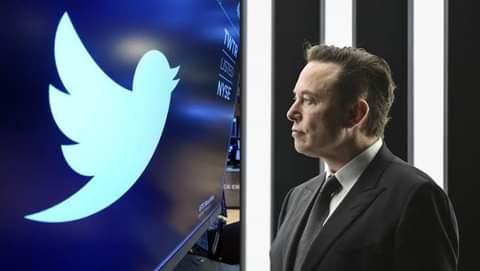
Musk’s offer has reignited tensions with OpenAI’s current CEO, Sam Altman, a longtime ally of Musk who has led the company since 2019. Altman, who has been at the helm as OpenAI pivoted towards more commercially-focused ventures, was quick to respond to the unsolicited bid. In a post on X (formerly Twitter), Altman dismissed the offer with a biting remark, suggesting he would “buy Twitter for $9.74 billion” instead, a reference to Musk’s own acquisition of the platform in 2022.
Musk wasted no time in responding, calling Altman a “swindler” in a retort that underscored the increasingly bitter nature of their relationship. The exchange highlights the personal animosity that has often characterised Musk’s dealings with his former company, which he helped launch with the aim of advancing AI research and development.
This latest development is a continuation of the tense saga between Musk and OpenAI, and it’s unlikely to be the last we see of it. The involvement of major investment firms in Musk’s bid further raises the stakes, especially given the significant sums of money at play. With both Musk and Altman deeply intertwined in the United States government’s tech initiatives and AI regulations, their feud is poised to have broader implications for the future of AI governance.
As OpenAI pushes forward with its plans to secure a $40 billion investment, the battle for control over its direction and leadership could shape the course of AI development for years to come. Musk’s renewed focus on OpenAI’s trajectory suggests that this dispute will remain a key point of contention in the tech world. Whether Musk’s bid will gain traction or fall by the wayside is yet to be seen, but the continuing drama between these two tech titans is far from over.
In the face of Musk’s bold offer, Altman and OpenAI’s board will now have to navigate this high-profile challenge, and what comes next in the saga will undoubtedly captivate the tech world and beyond.
The increasingly personal and public nature of Musk’s campaign against OpenAI underscores the intense power struggle that is unfolding within the artificial intelligence sector. As both Musk and Altman play significant roles in shaping the future of AI in the U.S., this bid represents much more than a business transaction; it is a symbolic clash between differing visions for the future of technology.
OpenAI, once a darling of the AI research community, now finds itself at a crossroads. Its trajectory—from a research-driven nonprofit to a profit-oriented powerhouse—has drawn criticism from various quarters, including Musk, who feels that the company has strayed from its original mission. Whether Musk’s attempt to wrest control from Altman will be successful remains to be seen, but it is clear that this rivalry is far from over.
As the stakes grow higher, the question on everyone’s mind is: who will ultimately steer the future of artificial intelligence—Musk, with his vision for open-source development, or Altman, who champions the commercialisation of AI to fund its future ambitions?