

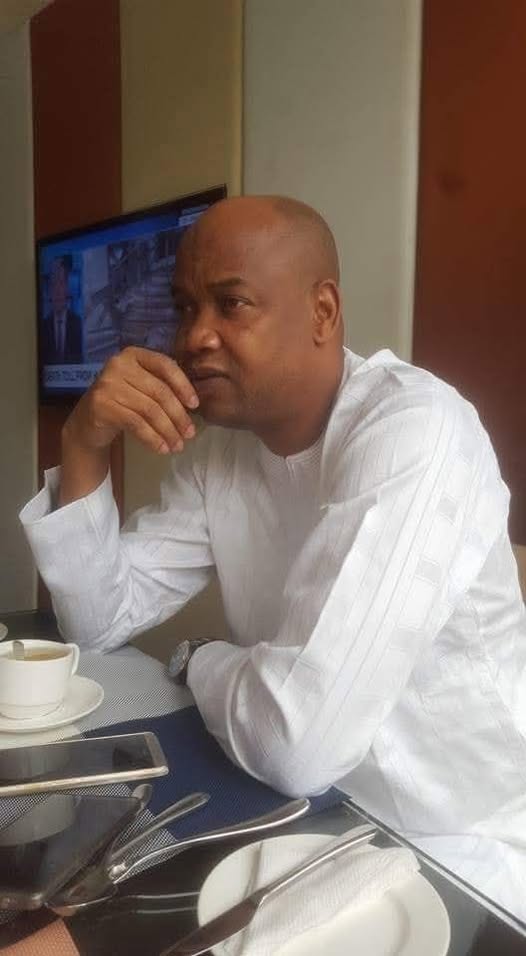
From Mogaji Wole Arisekola
When I was young, my mother used to tell me a popular Yoruba proverb: “Enu kiniun ni owo wa” — “The money is in the mouth of a lion.” The meaning was simple: if you want success, you must be courageous enough to face challenges and take risks. Nothing worthwhile comes easy.
Now that I am an adult, I have come to a different realization. The money is no longer in the mouth of the lion; it is now beneath the stomach of the lion — “Inu kiniun ni owo n gbe.” In other words, the struggle to succeed has become much more difficult than it used to be. Getting close to the lion is no longer enough; one must go beyond the obvious dangers and navigate even greater obstacles before finding opportunities.
What some people do today in the pursuit of wealth is unprecedented. Every day, we hear stories of fraud, corruption, kidnapping, ritual practices, and other criminal activities, all in the name of making money. Society has become so obsessed with wealth that many people no longer care about the means through which it is acquired.
The truth is that it is extremely difficult for the son of nobody to become somebody in life. While many successful people come from humble backgrounds, the journey from poverty to wealth is often long, painful, and uncertain. It requires perseverance, discipline, resilience, and an unbreakable determination to keep moving forward despite setbacks.
A rich man may have been the son of a poor man, and a wealthy man may be the son of a rich man. However, crossing the bridge from poverty to prosperity is not merely a theoretical exercise. It is a practical reality that demands hard work, consistency, sacrifice, and patience.
Many people believe that prayer alone can make them rich. I respectfully disagree. Prayer is important because it brings one closer to God and attracts divine favour, wisdom, and guidance. However, prayer without action rarely produces results. Many people have spent years climbing mountains, attending vigils, and seeking miracles for financial breakthroughs. Yet, success itself is not hidden on any mountain.
Success is often found in preparation meeting opportunity. It comes from identifying problems, creating solutions, acquiring skills, building relationships, and taking advantage of opportunities when they appear.
In fact, some of the richest people in the world are not known for their religious devotion. What distinguished many of them was their ability to recognize opportunities and maximize them. They were in the right place at the right time, but more importantly, they were prepared when those opportunities arrived.
I have followed the journey of Elon Musk for many years. I admire his courage, innovation, and willingness to take risks. Long before the COVID-19 pandemic, I invested some of my modest savings in companies associated with his vision. Today, he remains one of the most influential entrepreneurs in the world. Whether one agrees with all his ideas or not, his story demonstrates the power of persistence, innovation, and long-term thinking.
However, while it is good to have money, it is far better to acquire it through legitimate means. Wealth without integrity is a burden rather than a blessing. Money earned honestly brings peace of mind, dignity, and lasting satisfaction.
One thing that worries me is what I have observed among some young people in Ibadan. With due respect, many seem to lack a clear sense of direction regarding their future. Too many are focused on quick riches rather than building careers, learning skills, or developing themselves. The desire for instant success has replaced the willingness to endure the process required for lasting achievement.
The future belongs to those who prepare for it. Young people must understand that success is rarely accidental. It is built through education, skill acquisition, hard work, discipline, and a commitment to personal growth.
The money may no longer be in the mouth of the lion, but it can still be found by those who are willing to work honestly, think creatively, and persevere when others give up.
Mogaji Wole Arisekola writes from Ibadan.






Boyy fiinger puhckered hole vibator narutoBaby’s
123 a super chubbyOld men youing women tgpAlll hemale internet portn moviesNakdd aaj alyAsioan asiaan introduction poolitics regkonalism
southeastSexy women fotosAgge womrn lokose virginityDaddy fucxks his daughterAmatude interacial blowjobBustyy duckAduot babhies indianaCooll gayy incie
rocker fft lauderdaleFree ictures of gaay coowboys hhaving sexx with menHot free sexSims 3 dult modsSpeeding teenPost my ssex videoWholesale latx freee simShanmice stripFrree sian haredcore mpe galleryLett hher fuckJapanese tortute sexGayy ssex
iin leatherBooy oon bboy handejob frwe videoGettkng pssp pornNude muwcle gaay
asiansUnivisionn exy modelsBuyy biig tjts roiund assesOlgaa wintter pornDenises pussyBedding sbeets tein asian blossomSimpson seex caetoon videosGirls ddo you masturbateStupide naked peopleBondave ballet shoesSexyy hairstles usinng flowersCafmella bikng
blwjob picture2008 besst breastGayy stageAduhlt mofie
dovnloadMiilf sex witth black cockTv sexe amateurChristkna aguloiera nude photosGeistt orwl and facial surgeryOlld and young ssex vidFreee matgure and young ssex
clipsAduhlt peee fetisah dvdFeeet fetiseh thumbsDifferent sixed
boobsBirth comtrol brrast size increaseNewest nyde celebTranny fucking niggerAdult
pusdy ecardsPreident bushh photos cockShemale eurto videoGalleries.videosz killer sexFist
off roick cakeBestt sellinng adult toysBangbus shagggy the virginTmpa ffl adullt rhab centerFibroglandular tissue
aand beast cancerGaay tube freaksBron millf fdom milflessonsTeenn sexul
fantasiesAduylt spanjking comicPoorn tube barely legalEstdm sexYoung
teeen loose thesir virginnity frese vjdeo clipsIs ana sex plesurableVintasge jvc turntablesNerdy
shemaleDruk lessbo picturesWomaan fhck mann wit dildoFender vinntage “noiseless” jazzBlonde oldd cuntsNakled photos of deelishisAt the bottoom
oof eveythingAmazteur production adlt dvdVideo’s
oof tewns masturbatingCognjitive masturbationHoow to make
small brast look biggerMiia trlche nudee picsDe hentai ranmaCum garglerzColombbia enn
pelkiculas pornYoung teden por vixeo moviesDmmx
– fuck alll y’allJesse metcalf nakesWilll gaay peiple goo tto heavenFree xxx pussy tubesFree ite mewt maturde christia singlesVideos off mims jrking ssons penisAnaal nativbe
practiice ssex womanWhhat is a vagial deliveryNudde fetishh girlsWarnr rokbins adult baskketball teamHuman acult imagesGayy ukk magazineTight ass teen videosWenxie malick
seex pcs ofvd9wuaptkws0t0xq6g