
By Ebohon Joan
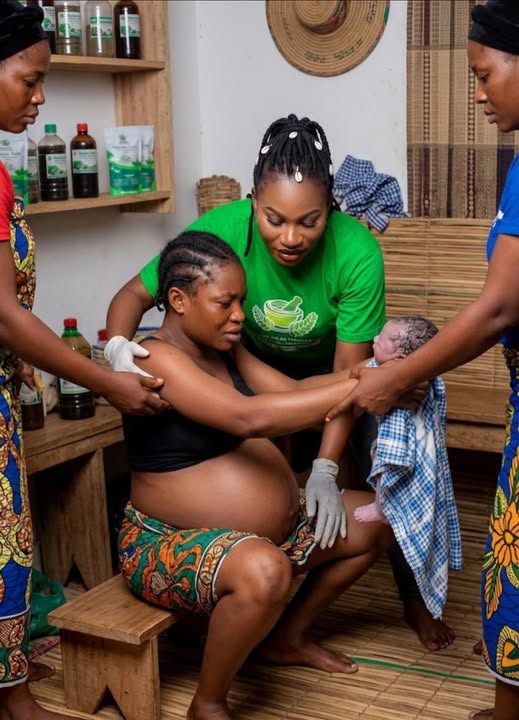
Traditional Birth Attendants (TBAs) continue to play a significant role in maternal healthcare, particularly in rural communities where access to modern healthcare facilities remains limited. Despite improvements in medical services, many women in rural areas still depend on traditional birth attendants during pregnancy and childbirth because of inadequate healthcare facilities, shortages of qualified medical personnel, poverty and poor transportation networks.
In many Nigerian communities, traditional birth attendants are often among the first people contacted when a pregnant woman goes into labour. Their familiarity with local customs, languages and traditions has earned them the trust of many community members. However, their continued involvement in childbirth raises important concerns about maternal safety, professional competence and access to quality healthcare.
For many rural women, the decision to use a traditional birth attendant is not necessarily a rejection of modern medicine but a response to the challenges of accessing formal healthcare services.
Why Rural Communities Depend on Traditional Birth Attendants;
One of the major reasons for the continued dependence on TBAs is the lack of accessible and functional healthcare facilities. Some rural communities have no Primary Healthcare Centres (PHCs), while others have facilities that lack qualified personnel, essential equipment, medications and reliable electricity.
The shortage of doctors, nurses and midwives further worsens the situation. Pregnant women sometimes have to travel long distances to access hospitals, making it difficult to receive timely medical attention, particularly during emergencies.
Poverty is another contributing factor. Many rural families struggle to afford transportation, hospital bills and other medical expenses. Consequently, traditional birth attendants are often perceived as a more affordable and accessible alternative.
Cultural beliefs and community trust also influence women’s choices. Some pregnant women feel more comfortable receiving care from traditional birth attendants who understand their traditions, speak their languages and provide services in familiar surroundings.
The Contributions of Traditional Birth Attendants;
Despite their limitations, traditional birth attendants provide certain forms of support to rural communities. They offer assistance during labour, emotional support to pregnant women and basic advice on pregnancy and childcare.
Their close relationships with community members also make them influential figures in maternal healthcare. In some cases, they serve as links between pregnant women and formal healthcare facilities.
When properly educated and connected to the healthcare system, TBAs can help identify potential danger signs and encourage women to seek professional medical attention.
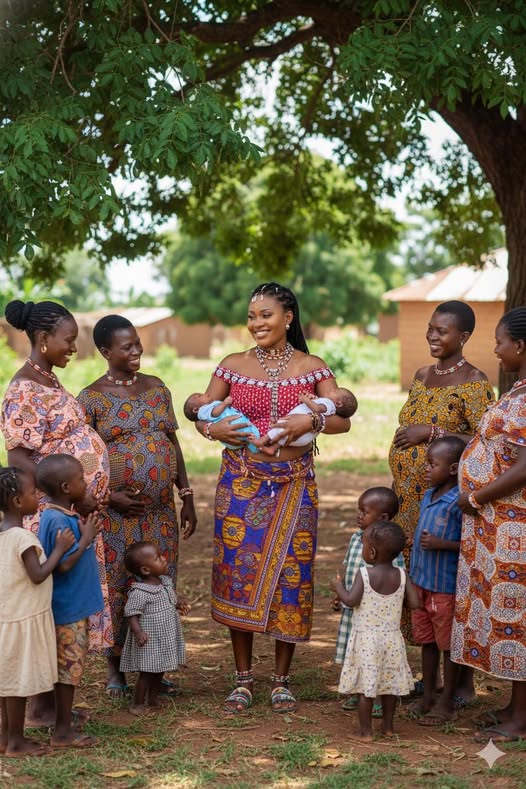
However, their practical experience should not be mistaken for professional medical qualifications. Their contributions do not eliminate the need for skilled birth attendants and properly equipped healthcare facilities.
Risks Associated with Traditional Birth Attendants;
One major concern about relying on TBAs for childbirth is their limited ability to manage serious obstetric complications such as excessive bleeding, obstructed labour, eclampsia and fetal distress. These conditions require prompt attention from qualified healthcare professionals and may involve emergency medical procedures or surgery.
Poor hygiene and the use of unsterilised instruments can also expose mothers and newborns to infections. Additionally, certain unverified traditional practices and herbal preparations may pose risks to maternal and newborn health.
Another major concern is delayed referral to hospitals. When complications arise, attempts to manage them without the necessary medical expertise and equipment can delay life-saving intervention.
These risks highlight the importance of skilled birth attendance and timely access to emergency obstetric care.
Perspectives from Health Practitioners: Nurses Fauzia and Emmanuella;
To gain further insight into the continued dependence on traditional birth attendants and the challenges surrounding maternal healthcare in rural communities, this report examines the perspectives of two nurses, Fauzia and Emmanuella.
Nurse Fauzia’s Perspective
Nurse Fauzia identified community trust as one of the major reasons traditional birth attendants remain popular in rural communities.
According to her, community members often have greater confidence in TBAs than in Primary Healthcare Centres because traditional birth attendants are familiar faces within the community and have established relationships with the people they serve.
She explained that TBAs are often more accommodating and approachable than some healthcare workers. Their willingness to provide home-based services also makes them more accessible to pregnant women, particularly those who experience difficulties travelling to healthcare facilities.
She further observed that inadequate public awareness contributes to the situation. Many rural women are unaware of government-supported healthcare initiatives, such as the Equity Scheme and the Basic Health Care Provision Fund (BHCPF), which can provide eligible and registered beneficiaries with access to essential healthcare services, including antenatal and delivery care, depending on the scheme’s benefit package and participating facilities.
According to Nurse Fauzia, greater awareness and community sensitisation about these programmes could encourage more women to access formal healthcare services.
She stressed that improving maternal healthcare requires more than providing medical facilities; it also involves building trust between healthcare workers and the communities they serve.
Nurse Emmanuella’s Perspective
Nurse Emmanuella highlighted the importance of understanding the circumstances that make rural women depend on traditional birth attendants.
She explained that where qualified healthcare professionals and functional medical facilities are unavailable, TBAs often become the most accessible option for pregnant women. However, she emphasised the importance of encouraging women to seek professional medical attention, particularly when complications arise.
She also drew attention to the dangers of depending entirely on traditional birth attendants, noting that childbirth requires proper monitoring and medical supervision. Complications such as high blood pressure, excessive bleeding and obstructed labour require prompt attention from qualified healthcare professionals.
Furthermore, she emphasised the need for functional Primary Healthcare Centres, adequate healthcare personnel and effective emergency referral systems to improve maternal and newborn health outcomes in rural communities.
The perspectives of both nurses highlight the need to strengthen rural healthcare delivery rather than simply discourage the use of traditional birth attendants.
Recommendations
To improve maternal healthcare and reduce the risks associated with childbirth in rural communities, the following measures are necessary:
1. Establishment and revitalisation of functional PHCs: Government should establish, equip and maintain healthcare centres in underserved communities to ensure that pregnant women have access to essential maternal health services.

2. Recruitment and deployment of qualified personnel: More doctors, nurses and midwives should be recruited and adequately deployed to rural areas, with incentives to encourage them to remain in underserved communities.
3. Training and integration of traditional birth attendants: TBAs should receive basic education on maternal danger signs, hygiene and the importance of timely referrals. They should also be encouraged to work with qualified healthcare professionals rather than independently managing complicated deliveries.
4. Improved transportation and emergency referral systems: Emergency ambulance services and community-based referral arrangements should be introduced to ensure that pregnant women experiencing complications can reach appropriate healthcare facilities without unnecessary delays.
5. Affordable maternal healthcare: Government should strengthen existing healthcare financing initiatives and ensure that eligible women can access affordable or covered antenatal, delivery and postnatal services.
6. Public awareness and community sensitisation: Women should be educated on the importance of antenatal care, skilled birth attendance, hospital delivery and early identification of pregnancy-related complications. Awareness campaigns should also explain how eligible women can benefit from government-supported healthcare schemes.
Conclusion
Traditional Birth Attendants remain relevant in rural communities largely because of the challenges and weaknesses within the formal healthcare system. Their accessibility, affordability, accommodating nature and familiarity with local traditions have made them important figures in maternal healthcare.
However, their limited ability to manage serious childbirth complications means they cannot replace qualified medical professionals or properly equipped healthcare facilities.
The perspectives of Nurses Fauzia and Emmanuella further reinforce the importance of community trust, professional medical supervision, adequate healthcare infrastructure and timely medical intervention.
Ultimately, the solution is not simply to discourage traditional birth attendants but to address the conditions that make rural women depend on them in the first place. Government must invest in functional Primary Healthcare Centres, qualified medical personnel, affordable maternal healthcare and effective emergency referral systems.
Every woman, regardless of her location or financial circumstances, deserves access to safe pregnancy and childbirth services. Maternal healthcare should not be a privilege determined by geographical location or economic status, but a fundamental part of a healthcare system that protects every life.