From Ebohon Joan
Commissioner hails Aviele facility as best veterinary hospital in South-South, says investment will boost animal health, farmers’ productivity and public health.
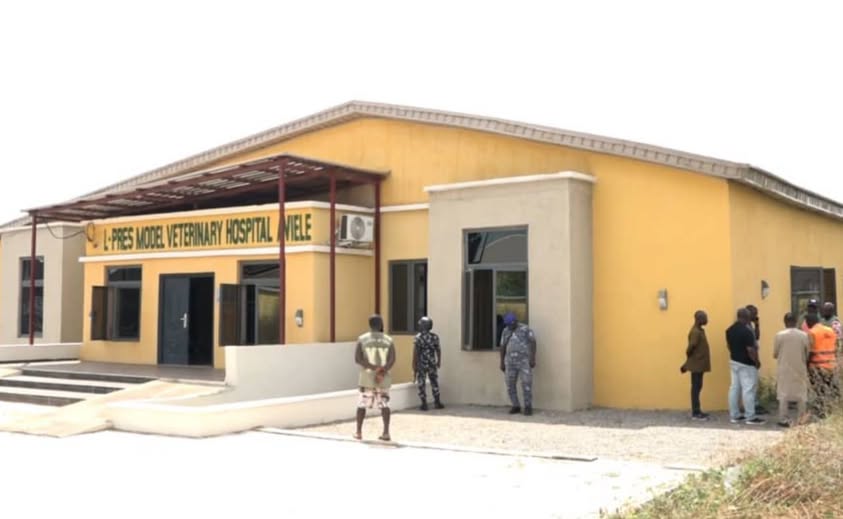
The Edo State Government has reaffirmed its commitment to transforming the livestock sector through strategic investments in modern infrastructure, following an inspection of the ultra-modern L-PRES Model Veterinary Hospital in Aviele, Etsako West Local Government Area.
The inspection, led by the Commissioner for Livestock Development, Honourable Ohimai Ehijimetor, was aimed at assessing the hospital’s facilities, operational capacity and readiness to deliver specialised veterinary services to livestock farmers across the state.
The facility was commissioned on June 27, 2026, by the Minister of Livestock Development, Alhaji Idi Mukhtar Maiha.
Speaking with journalists during the inspection, Ehijimetor described the hospital as the best veterinary facility in the entire South-South geopolitical zone, describing its establishment as a major milestone in the Okpebholo administration’s drive to reposition livestock production and veterinary healthcare in Edo State.
According to the commissioner, the facility will significantly improve access to quality veterinary care, disease diagnosis and treatment, particularly for livestock farmers in the northern part of the state.
He noted that the investment would strengthen animal health management, enhance livestock productivity and create improved economic opportunities for farmers.
Also speaking, the Director of External Public Health in the Ministry of Livestock Development, Icomiare Adebudo, explained that the hospital was strategically located to provide specialised veterinary services to livestock farmers in Edo North.
Adebudo disclosed that the facility is equipped with an ultra-modern diagnostic system capable of conducting real-time imaging, enabling veterinary professionals to identify animal health challenges more accurately and deliver timely medical interventions.
Similarly, the Edo North Veterinary Officer, Dr. Dagana Daud, described the hospital as a remarkable investment, noting that its sophisticated equipment and facilities are rarely found even in some privately owned veterinary centres.
Daud, however, emphasised the need for increased public awareness to encourage more livestock farmers to access the services provided at the facility. He observed that farmers who were already aware of the hospital had begun taking advantage of its services.
As part of the inspection exercise, the team also visited the ongoing rehabilitation of the state-owned abattoir in Edo North.
The abattoir rehabilitation project is another critical component of the state’s livestock development agenda, designed to improve meat processing, promote hygienic slaughtering practices and strengthen public health standards.
The projects underscore the Edo State Government’s commitment to building a modern, productive and sustainable livestock sector through improved veterinary services, modern infrastructure and better support for livestock farmers.