

From Ebohon Jaon
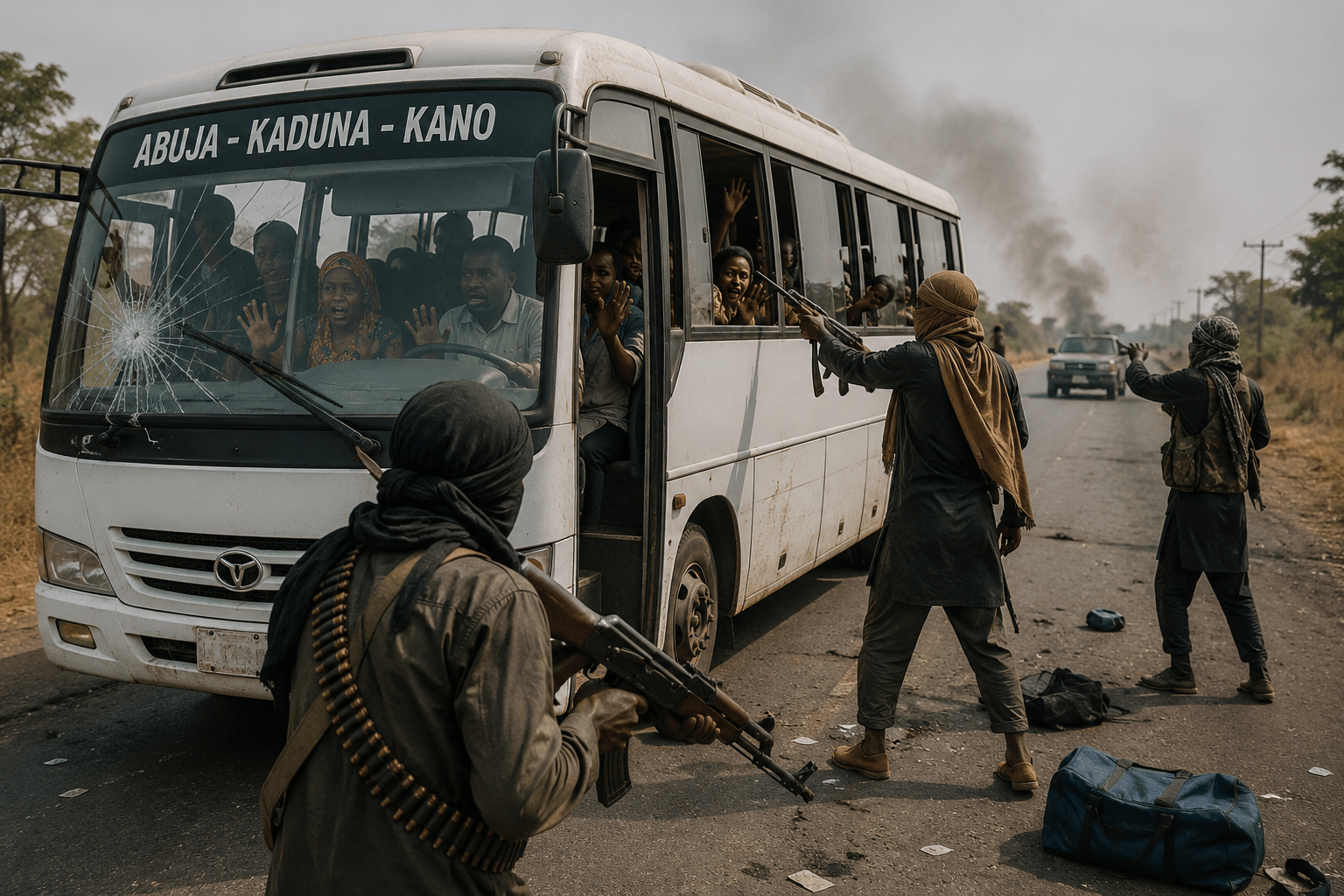
Nigeria continues to grapple with rising insecurity, particularly kidnapping, which has become one of the country’s most pressing challenges. From major highways to rural roads, commuters now travel with fear and uncertainty, unsure whether they will reach their destinations safely. The increasing frequency of abductions has not only threatened lives but has also affected economic activities, social interactions, and public confidence in security institutions.
For many Nigerians, travelling by road has become a risky venture. Highways that once served as vital links between communities and states have become hotspots for criminal activities. Reports of passengers being kidnapped from buses, private vehicles, and even train routes have become alarmingly common. As a result, many people now avoid travelling unless absolutely necessary, while others spend extra money on alternative routes or security arrangements.
The impact of kidnapping on commuters extends beyond the immediate threat to life. It has created psychological trauma among travellers and their families. Every journey is often accompanied by anxiety, fear, and constant communication with loved ones. Many commuters feel unsafe even during daytime travel, reflecting a growing loss of confidence in public safety.
Economically, insecurity has increased transportation costs and disrupted commercial activities. Transport companies often incur additional expenses to improve security measures, costs that are eventually passed on to passengers. Farmers, traders, and business owners who depend on road transportation face delays and losses due to fear of attacks. This situation contributes to higher prices of goods and services, affecting the wider economy.
Furthermore, insecurity discourages investment and development. Investors are less likely to commit resources to regions perceived as unsafe. Tourism, which could generate significant revenue and employment opportunities, also suffers when travellers fear becoming victims of criminal activities.
The government has made efforts to address these challenges through military operations, increased security patrols, and intelligence gathering. However, many Nigerians believe that more needs to be done. Strengthening intelligence networks, improving law enforcement capabilities, equipping security agencies adequately, and ensuring swift prosecution of kidnappers are crucial steps toward restoring public confidence.
Community participation is equally important. Citizens must cooperate with security agencies by reporting suspicious activities and supporting local security initiatives. Traditional leaders, community groups, and civil society organizations also have vital roles to play in promoting vigilance and peacebuilding.
Kidnapping and insecurity are not merely security concerns; they are national development issues. When citizens cannot move freely and safely, economic growth slows, social trust weakens, and national progress is hindered. Nigeria’s future depends on creating an environment where commuters can travel without fear and where every citizen feels protected under the law.
Addressing the menace of kidnapping requires a collective commitment from government, security agencies, communities, and citizens. Only through sustained action and accountability can Nigeria reclaim its roads and restore confidence in public safety.






fuj0rc