
Nigerians planning to study in the United Kingdom will have to show proof of higher living expenses under revised student visa rules, with applicants heading to London required to demonstrate access to as much as £14,130 for a nine-month course.
The new financial requirements, scheduled to take effect on November 30, will increase the amount international students must have available to cover their living expenses while studying in Britain.
Under the revised rules, students applying to study in London must show they have £1,570 per month, up from £1,529, bringing the required amount for nine months to £14,130.
For students studying outside London, the monthly requirement will rise from £1,171 to £1,203, taking the total for nine months to £10,827.
The maintenance funds are separate from tuition fees, student visa charges and the Immigration Health Surcharge.
A UK student visa currently costs £558, while the annual Immigration Health Surcharge is £776, adding to the financial burden facing prospective international students.
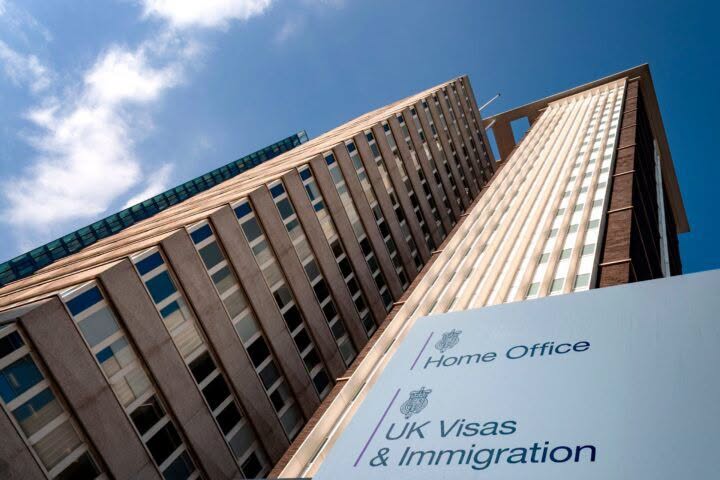
The changes were outlined in an immigration rules update published by the UK Home Office on September 3.
Applicants will be required to demonstrate that they have sufficient funds to cover the applicable maintenance requirement and outstanding tuition fees for one academic year. The money must generally have been held for at least 28 consecutive days before the visa application.
Acceptable sources include the applicant’s personal bank account, a parent’s account, an eligible student loan or official financial sponsorship.
However, students who have lived in the UK with valid immigration permission for at least 12 months by the date of their application are generally exempt from providing fresh evidence that they meet the financial requirement.
Nigerians are expected to feel the impact of the increase because of the country’s significant share of Britain’s international student population.
Home Office figures released in August showed that Nigerians recorded 3,820 student visa extensions last year, the third-highest figure among nationalities, behind Chinese and Indian nationals.
Nigeria also ranked third among nationalities granted UK study visas, with 26,060 recipients, representing seven per cent of the total.
At an exchange rate of approximately ₦1,825 to £1, the new London maintenance requirement translates to about ₦25.8 million for a nine-month course.
That amount covers living expenses alone and excludes tuition fees, visa charges, the Immigration Health Surcharge, airfare and other associated costs.
For Nigerian families already grappling with foreign exchange pressures and rising education expenses, the higher threshold could make studying in the UK even more financially demanding.
The latest increase comes amid Britain’s continuing efforts to tighten its international student visa system, following measures introduced since 2024 to curb what the government has described as abuse of the student route.
The revised maintenance thresholds mean prospective students must plan their finances more carefully and ensure they can meet the required funding conditions before submitting their applications.
For Nigerians hoping to secure admission to British universities, the message is clear: meeting academic requirements alone will not be enough; applicants must also demonstrate access to substantial funds to cover their studies and living expenses.